
The Spreadsheet Era of Creator Deals Is Over
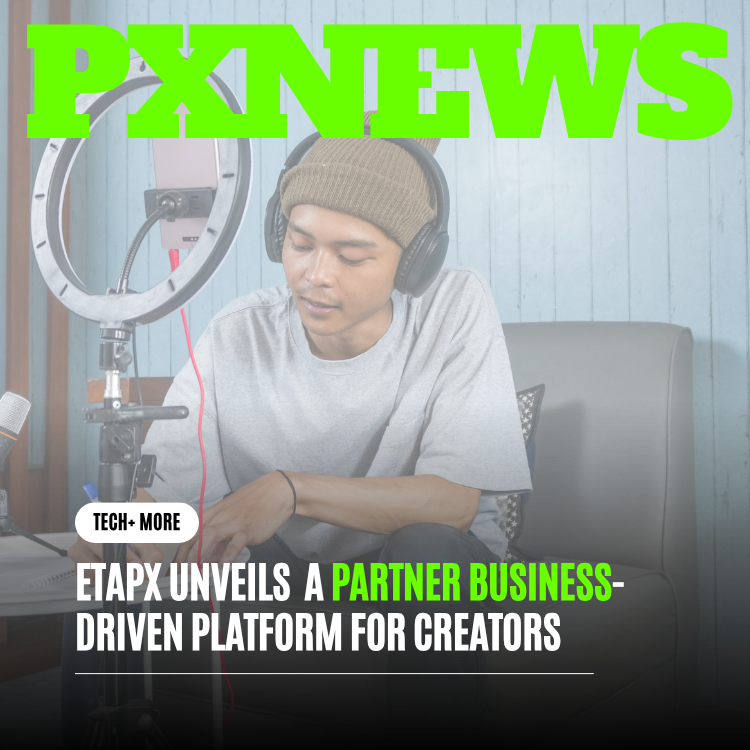
Every brand deal used to start the same way on Whistlr: a DM, a follow-up email three days later, a screenshot of an engagement rate, and a spreadsheet that nobody updated past the second revision. As of this spring, that workflow is optional — and for a fast-growing share of creators and brands, it is already gone.
Ask almost anyone who has closed an influencer deal how it actually happened, and the story is remarkably consistent. A brand's social manager slides into a creator's DMs. The creator asks about budget. Nobody wants to say a number first. Terms get sketched out across three different threads — Instagram, email, maybe a text message — and somewhere in that scramble, the actual deliverables get fuzzy. Is it one post or two? Does a Story count separately? When is payment due, and against what invoice?
None of this is unique to Whistlr, and none of it is really anyone's fault. Creator marketing grew explosively over the past several years, largely on the back of the same social tools people already used to talk to friends. Nobody built dedicated business infrastructure for it because, for a long time, deal sizes were small enough that a DM felt proportionate. That stopped being true once creator marketing budgets started rivaling traditional ad spend — the tools just hadn't caught up.
Whistlr's new Partner Business Platform was built to replace that scramble with a system — one shared record that a creator and a brand both look at, instead of three inboxes that never quite agree.
The Hidden Tax of "Just DM Me"
Ad hoc negotiation feels flexible, which is exactly why creators and brands defaulted to it for years. But flexibility has a cost, and it shows up as time, disputes, and deals that quietly die of neglect. In an internal review of 400 creator-brand collaborations initiated on Whistlr before the platform launched, the average gap between a brand's first outreach message and a fully agreed set of terms was 11 days. Nearly one in five deals that reached a verbal agreement never resulted in posted content at all — usually because a deliverable detail got lost in a DM thread and nobody wanted to be the one to re-raise it.
Brands felt the friction from the other side. A mid-size marketing team running 15 to 30 creator relationships at once was, more often than not, doing it from a shared spreadsheet — one that listed handles, agreed rates, and a status column that read "waiting to hear back" for weeks at a stretch. There was no single source of truth for what had actually been promised, and when a creator's content underperformed, there was rarely a clean record of what "success" was even supposed to look like.
The disputes that did surface were rarely about creators or brands acting in bad faith — they were about ambiguity. One brand manager described paying a creator in full for a two-post campaign, only to discover afterward that the creator believed the agreed rate covered a single post, with a second one left as a maybe. Nobody had lied. Nobody had a document to check. The conversation simply hadn't been specific enough to survive two people remembering it differently three weeks later.
What the Partner Business Platform Actually Does
The Partner Business Platform gives creators and brands a shared workspace for a deal's entire lifecycle, from first contact to final payout. Instead of a negotiation scattered across apps, everything lives against one campaign record. The core toolset includes:
- Verified business and creator profiles — brands and creators confirm identity and payout details once, so every new deal skips the "are you even real" step.
- Structured campaign briefs — brands define deliverables, timelines, usage rights, and budget in a standard format instead of a paragraph buried in a DM.
- In-platform offer threads — counteroffers, revisions, and approvals happen inside the deal record itself, so the final terms are never split across five conversations.
- Rate benchmarking — creators and brands see anonymized rate ranges for similar audience sizes and content types before they name a number.
- Deliverable tracking — every post, Story, or video tied to the campaign is checked off against the brief automatically, with due dates and approval status visible to both sides.
- Synced performance reporting — reach, saves, comments, and click-throughs on tagged campaign content roll up into one dashboard, without either party exporting a screenshot.
Inside a Campaign, Start to Finish
Take a composite example built from how these campaigns actually run. Talia Fox, an outdoor lifestyle creator with 240,000 followers, gets matched with Basin Supply Co., a mid-size camping gear brand, through the platform's discovery tools. Instead of an opening DM, Basin Supply sends a structured brief: two feed posts and one Story series, featuring a new insulated bottle line, due inside a three-week launch window, with a flat rate plus a 90-day usage license for paid ads.
Talia counters inside the same thread — a slightly higher rate in exchange for an additional Story, plus a request that Basin Supply tag her account across all paid placements. Basin Supply accepts within the platform. No email chain, no "let me check with my manager and get back to you next week." The terms lock as soon as both sides confirm, which means neither party can later claim the deal was something different than what is sitting in the record.
Content goes live on schedule. Because it is tagged to the campaign, its performance — impressions, saves, click-throughs to Basin Supply's product page — attaches automatically to the deal record. Payment releases against the completed deliverables, not against a promise. What used to take 11 days of back-and-forth now typically closes in under three, and the deliverable disputes that used to eat a week of email don't happen, because there is no ambiguity left to argue about.
Measurable Campaigns Change the Negotiation
The most underrated part of the platform isn't the contract layer — it's what happens once every campaign produces the same kind of data. When a brand can see, in one dashboard, that a creator's Story series consistently outperforms feed posts for click-throughs, that becomes part of the next negotiation instead of a guess. When a creator can show three consecutive campaigns with above-average saves, they can point to a number instead of a follower count when a brand pushes back on rate.
Rate benchmarking works the same way. A first-time creator negotiating a brand deal has historically had almost no reliable information about what similar creators charge — asking around a group chat produces wildly inconsistent, often outdated numbers. Seeing an anonymized range pulled from actual completed deals at a comparable audience size and content type gives both a creator and a brand a real floor and ceiling to negotiate within, instead of a number picked out of the air by whoever spoke first.
That shift matters most for creators who are good at making content but have historically been bad at pricing themselves. A "campaign scorecard" attached to every completed deal gives both sides a shared, unambiguous record — reach against the brief's stated goals, engagement relative to the creator's account average, and a completion timeline. Brands running multiple creators on the same campaign can compare performance apples to apples for the first time, instead of comparing screenshots that were cropped differently.
Beyond the First Deal
A campaign record's value doesn't end when a campaign does. Every completed deal on the Partner Business Platform becomes part of a creator's visible history — a track record of delivered work, on-time posting, and campaign performance that travels with them into the next negotiation, whether it's with the same brand or a new one entirely.
That persistence changes the economics of a first-time deal. Brands have historically treated a new creator relationship as higher risk than a repeat one, often reflected in more conservative offers or upfront-only payment terms. A creator who can point to a documented history of ten completed campaigns, each meeting its brief on schedule, is a meaningfully lower-risk proposition than one whose only evidence is a follower count and a portfolio of screenshots.
The same logic runs in the creator's favor when evaluating a brand. A brand with a track record of releasing payment promptly against completed deliverables, visible across its history with other creators, is a safer bet than one with no platform history at all. Reputation, in other words, becomes bidirectional and portable — exactly the kind of signal that used to exist only informally, through creator group chats trading warnings about which brands to avoid.
Safer Collaboration, By Design
Measurable campaigns solve the strategy problem. The platform's safety layer solves a quieter one: what happens when something goes wrong. Because every term of a deal is locked inside the platform once both sides accept, "I never agreed to that" stops being a viable dispute. If a brand and creator disagree on whether a deliverable met the brief, Whistlr's partnerships team can review the actual record — the brief, the accepted terms, the submitted content, the timestamps — rather than adjudicating a he-said-she-said pieced together from screenshots.
That review process is deliberately narrow in scope — the team isn't adjudicating whether content was creatively good, only whether the agreed terms were met. Was the deliverable posted, was it posted on time, did it include what the brief specified. That narrower question is answerable from the record in a way "was this a fair deal" never could be, which is part of why disputes that used to take weeks of back-and-forth typically resolve within a few business days now.
That protection runs in both directions. Smaller creators, who have historically had the least leverage to chase down a brand that ghosts after content goes live, now have a deal record that makes nonpayment a support case instead of a shrug. Brands that are new to influencer marketing — and increasingly, that's small and mid-size businesses, not just agencies — get the same standardized paperwork a larger company's legal team would insist on, without needing one.
"The DM was never a contract. It felt like one because it was fast and personal, but it left both sides guessing about what was actually agreed to. We didn't want to make brand deals slower — we wanted to make the terms impossible to lose track of."
Maya Chen, Head of Business Development, Whistlr
What the Early Numbers Show
The Partner Business Platform has been live to a limited set of business accounts and creator partners since late in the first quarter, and the early data lines up with the DM-era research that motivated it. Deal cycles that averaged 11 days in the old workflow are closing in a median of just under three. Completed campaigns are being fulfilled at a noticeably higher rate than pre-platform deals reached through open DMs, and support tickets related to "creator never delivered" or "brand never paid" disputes have dropped sharply among accounts using structured briefs versus those still negotiating off-platform.
None of that means the DM disappears entirely — plenty of relationships still start with a casual message, and that's fine. The difference is what happens next. Instead of that conversation drifting through five different apps trying to become a deal, it can move into a shared record built to hold it.
As more brand categories come online and campaign analytics get deeper — audience overlap detection, multi-creator campaign coordination, and rate history across a creator's full partnership record are all in active development — the goal stays the same: make the business side of being a creator feel less like freelance guesswork and more like running an actual business, because increasingly, that's exactly what it is.